
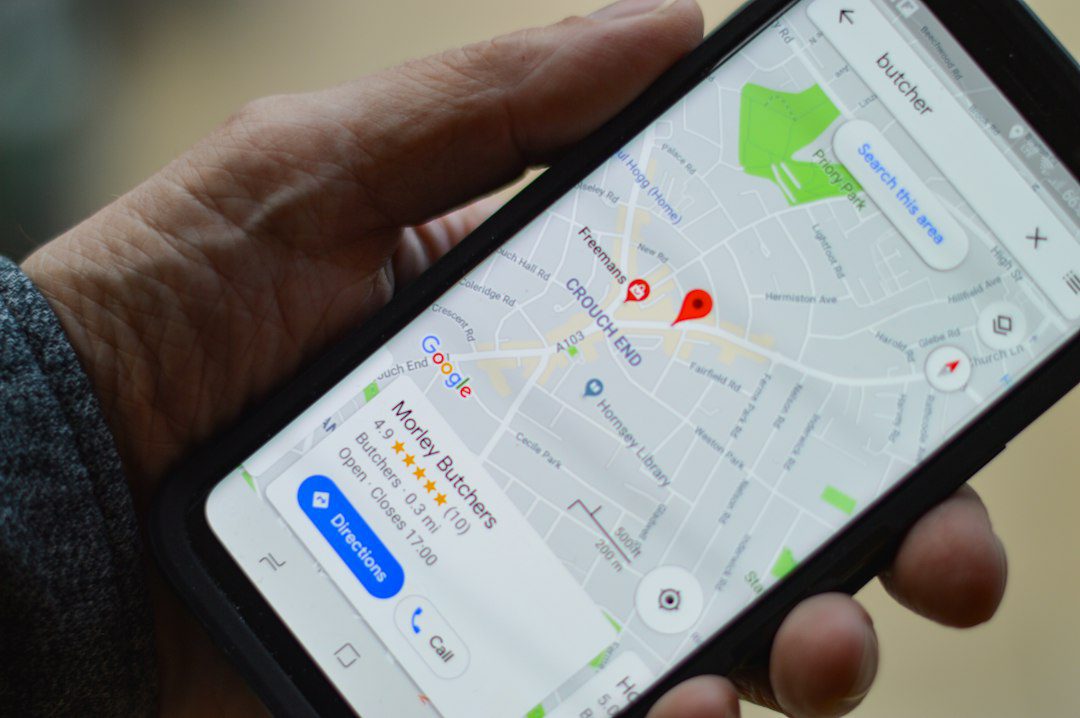
Imagine a customer standing on a street corner, phone in hand, typing the words near me. In that moment they are ready to buy, and they will choose one of the first few businesses that appear. If you are not one of them, it does not matter how good your product or service is. That is why localization is the most important tool in your toolbox.
Localization means making it unmistakable to people, search engines, and AI tools where you are, who you serve, and why you are the right local choice. Done well, it brings in customers who live close and are ready to act.
The Pain of Being Great but Hard to Find
Plenty of small business owners do excellent work and still watch customers drive past to a competitor. The reason is rarely quality. It is usually that search engines are not sure where the business operates or what it is known for.
When your information is incomplete, outdated, or inconsistent, you quietly lose rankings. A wrong phone number on one site, a missing service area on another, and a generic description everywhere add up to a business that is easy to overlook, even by people who live a mile away.
Start With Your Google Business Profile
Your Google Business Profile is the center of your local presence. Claim it, verify it, and fill in every section. Choose accurate categories, list your services, set your hours, add real photos, and write a description that names the community you serve. Keep holiday hours current, because nothing frustrates a customer more than showing up to a closed door.
Then keep it active. Post updates, answer questions, and respond to every review, good or bad, in a friendly and professional way. Reviews are one of the strongest local signals, and your replies show future customers how you treat people.
Make Every Listing Say the Same Thing
Consistency is the quiet engine behind local search. Your business name, address, and phone number should be identical on your website, your profile, your social accounts, and every directory where you appear. Search engines compare these details, and when they match, they trust you more.
Audit your listings a couple of times a year. Search your business name, look at what comes up, and correct anything that is wrong. If you have moved, changed your number, or updated your hours, update everything at once.
Speak the Language of Your Community
Localization is also about words. Customers search with neighborhood names, landmarks, and local phrases, so use them on your website and in your posts. Create a page for each area you serve and describe how you help people there. Write about local events, local projects, and local problems.
This helps with answer engine optimization too. When someone asks an AI assistant for the best provider in a specific town, the tool looks for businesses that clearly connect to that place. Plain, specific local content gives it something concrete to quote.
Build Trust Customers Can See
Local customers want to know a business is real and reliable, and they notice the details. A clean storefront, clear signage, and visible safety measures all say you take your business seriously. Many owners add a business security system to protect their inventory and their customers, and it supports the professional image that makes people comfortable walking through the door.
Tie your online and offline presence together. Mention your location in your photos, feature local customers with their permission, and sponsor or support community events. When people see you as part of the neighborhood, both they and search engines treat you that way.
Make Localization a Habit
You do not need to fix everything in one afternoon. Pick one task this week, whether that is finishing your Google Business Profile, correcting a listing, or writing a page for your top service area. Small, steady improvements compound, and over time they turn your business into the obvious local choice.
Leave a Reply